–
21. november 2026
STED: Lokale 23.0.49, Københavns Universitet Søndre Campus
FOREDRAGSHOLDERE: Tine Bagh, Matthew D. Adams og Wendy Doyon, Glyptoteket, Freie Universität Berlin, Institut für Ägyptologie og Geschichts- und Kulturwissenschaften
SPROG: Dansk og engelsk
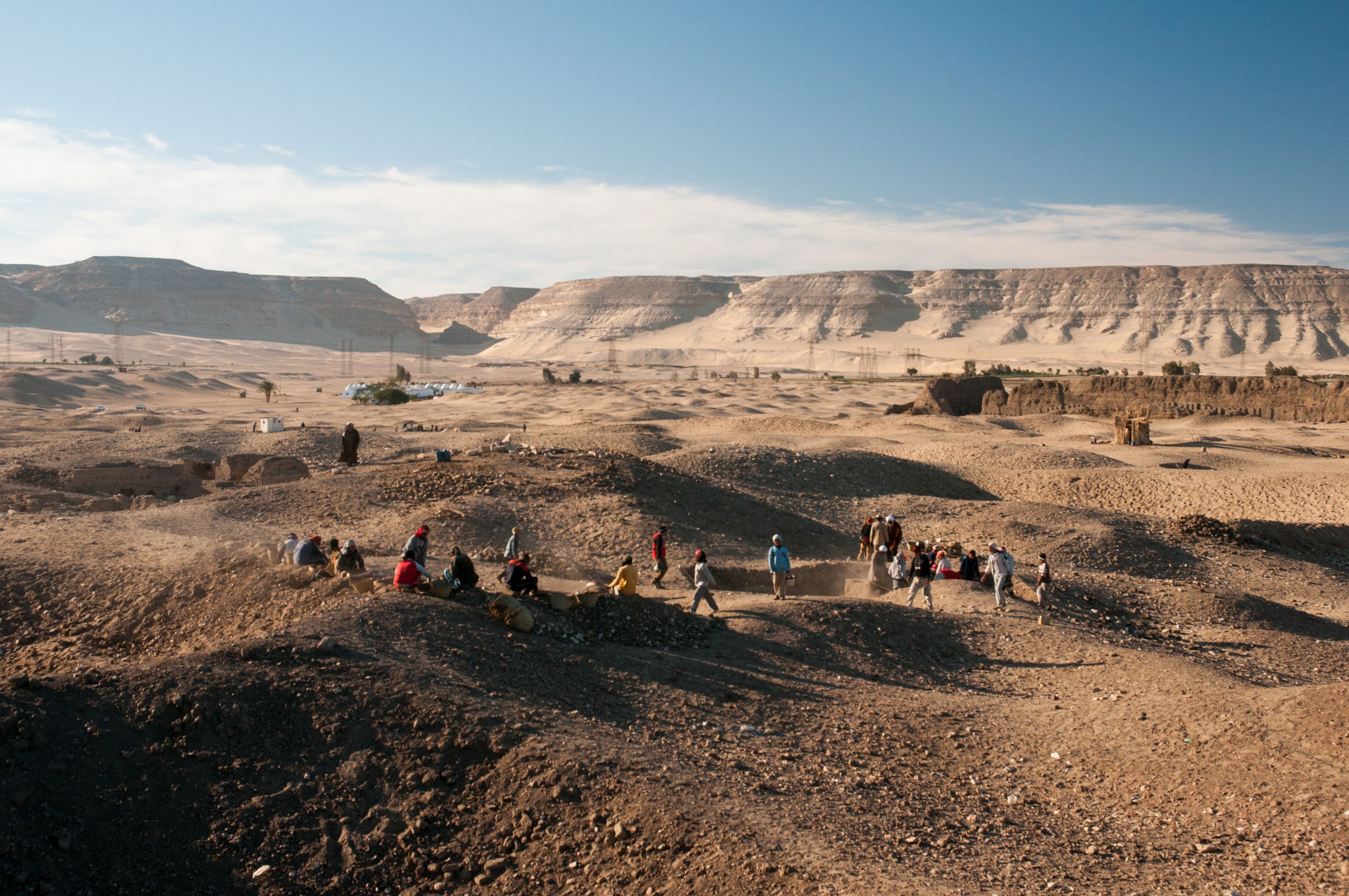
OM SEMINARET: Dagen starter med en introduktion til Abydos og gennemgang af fund fra Abydos i København, hvorefter Matt vil fortælle om udgravningerne af det tidlige Abydos og fundet af et ølbryggeri. Wendy afslutter med at sætte os ind i, hvordan det nu er muligt at kortlægge de tidligere udgravninger gennem et arkiv med de ægyptiske udgravningsformænds udgravningsdagbøger.
PROGRAM
Kl. 11.00
Introduktion til Abydos og fund fra Abydos i København v. Tine Bagh, PhD, Museumsinspektør Glyptoteket
Dagen vil starte med en introduktion til Abydos og de forskellige dele af dette fantastiske område, som i oldtiden blev anset som stedet, hvor Osiris’ grav fandtes. Det strækker sig over ca. 10 kvadratkilometer, og der er monumenter og grave fra forhistorisk til ptolemæisk tid. Abydos blev et sted for pilgrimsrejser, og fra Mellemste Rige findes en række mindre kapeller, hvorfra vi kender steler og tekster, der beskriver kulten og en årlig festival med en procession. I den sydlige del af Abydos ligger et imponerende gravanlæg til Sesostris III og en tilhørende by ved siden af dødetemplet. Syd for templet opførtes senere et kompleks til Ahmose fra starten af 18. dynasti.
De fleste, der har været i Abydos, har nok besøgt Seti Is tempel med de velbevarede fine relieffer med farver og en kongeliste, og måske også Ramses IIs tempel bag Setis Tempel, hvor også hans Osireion findes. I 2004 besøgte DÆS også Umm el Qa’ab ude i ørkenen med grave fra 1. og 2. dynasti samt den store rektangulære lerstensmur kaldet Shunet el-Zebib. På både Glyptoteket og Nationalmuseet er der fund fra Flinders Petries udgravninger i Abydos, som vi bl.a. skal høre mere om efter frokostpausen.
Kl. 12.15:
Frokostpause (tag selv mad med)
Kl. 13.00
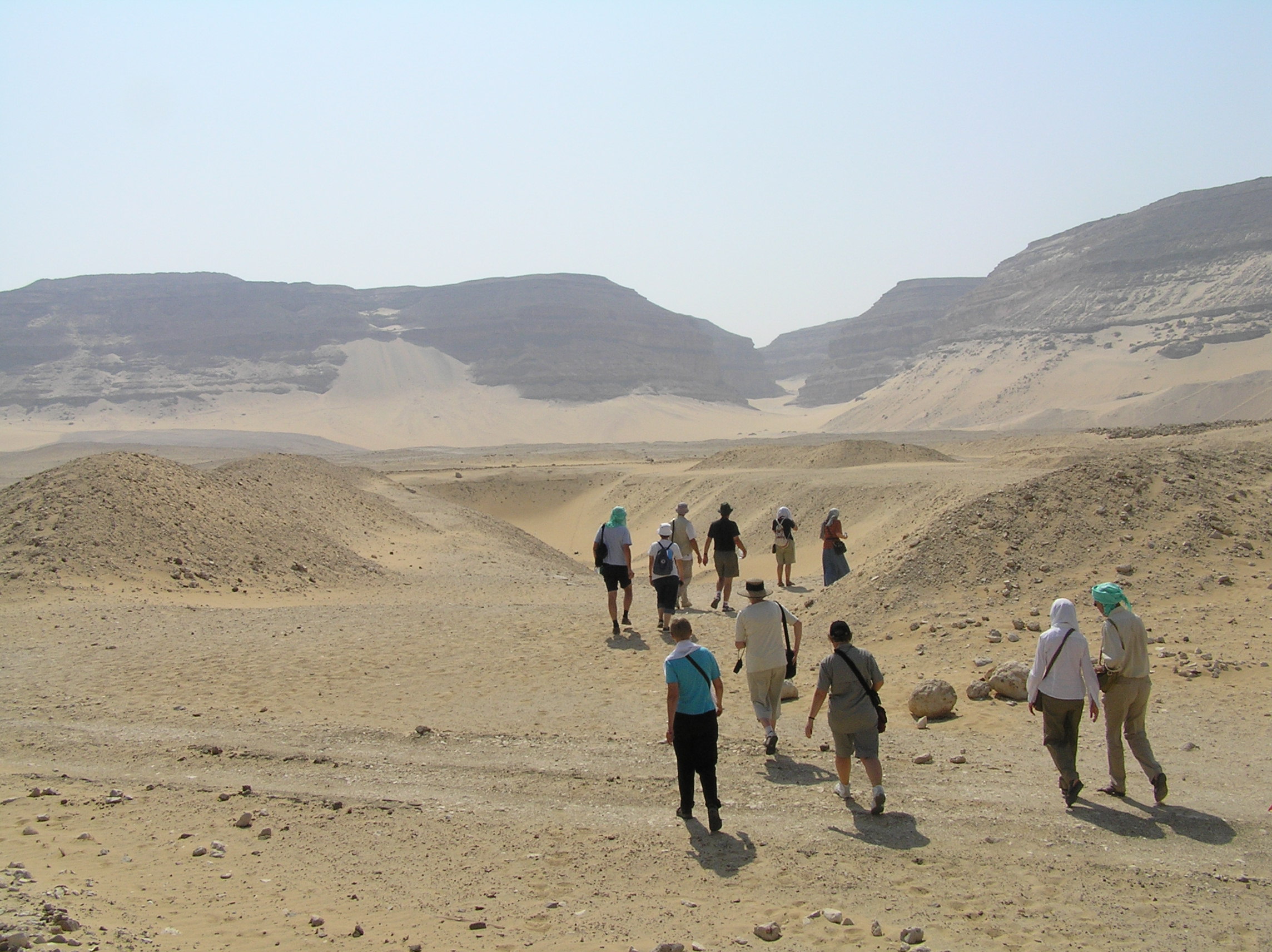
One Hundred Years of Archaeology at Abydos: A History of Discovery, v. Matthew D. Adams and Wendy Doyon
At the end of the 19th Century, the work of French Egyptologist, Émile Amélineau, and British archaeologist, Flinders Petrie, in the royal cemetery of Umm al-Qa‘ab established Abydos as a site of fundamental importance in the history of early Egypt (ca. 3100–2700 BCE). Twenty years after his initial work at Abydos, Petrie returned to the site in 1921, to investigate the appearance of First Dynasty tombs in North Abydos that paralleled evidence for the sacrifice of royal courtiers, discovered in earlier work at the royal cemetery at Umm al-Qa‘ab.
The so-called “Tombs of the Courtiers” season, during the winter of 1921–22, was Petrie’s last season of excavation in Egypt, before moving on to Palestine. Petrie’s team that season included his wife Hilda and a promising student of prehistoric archaeology on her first season in the field, Gertrude Caton Thompson. With a team of archaeological technicians from Qift (known as “Quftis”), and other students of the British School of Archaeology in Egypt, they excavated hundreds of First Dynasty tombs arranged in huge rectangular formations across the northern cemetery of Abydos.
Drawing on his experience at Umm al-Qa‘ab, Petrie searched in vain for the monumental royal tombs he thought these early graves must encircle. The work of that season provided the basis for continued exploration of North Abydos, however, it did not solve the enduring mystery of Early Dynastic activity there. Eighty years later, American archaeologists, David O’Connor and Matthew Adams, embarked on a comprehensive investigation of the nature of the Early Dynastic monuments of North Abydos. Their work has transformed our understanding of the site and its role in the emergence of kingship and the Egyptian state.
These talks will present the results of these investigations after 25 years of systematic excavation in North Abydos. From the beginnings of royal monumental architecture in Egypt to the discovery of an industrial-scale royal brewery at the far northern edge of the site, they will take us on a journey of discovery from the reign of Narmer to Khasekhemwy, the last king of the Second Dynasty to be buried at Abydos and the predecessor of Djoser, builder of the Step Pyramid at Saqqara.
The seminar will also describe the discovery of Petrie’s 1921–22 camp site at Abydos, the excavation of archaeological archives from the past, and the historical legacies of Hilda Petrie, Gertrude Caton Thompson, and the Quftis in the archaeology of Abydos and early Egypt.
Kl. 14.15-14.45
Pause
Kl. 14.45-16.00
One Hundred Years of Archaeology at Abydos: A History of Discovery v. Matthew D. Adams and Wendy Doyon
– continued